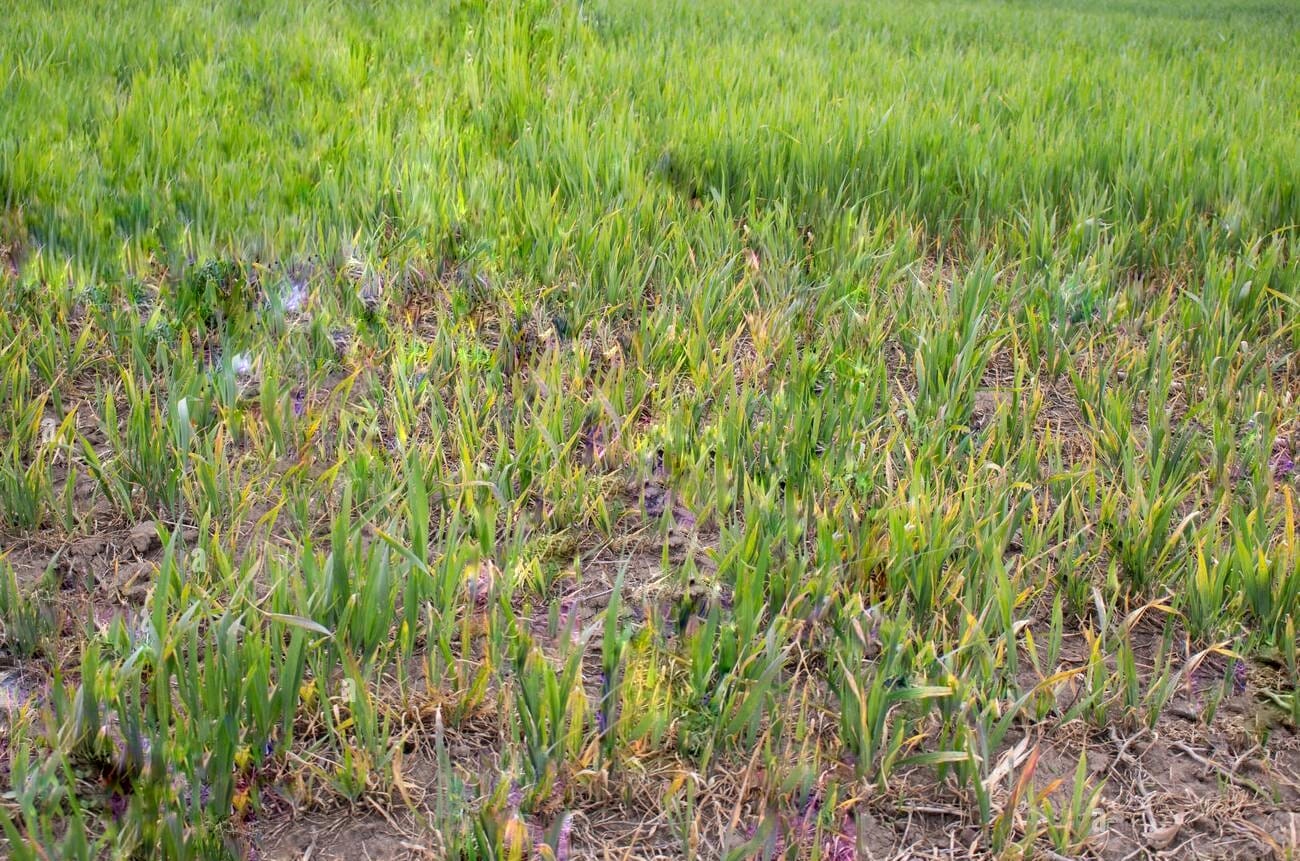
Wheat crop growth refers to the increase in plant height, tiller number, leaf area, and biomass from sowing to maturity. When wheat growth is very slow, it indicates that the plant is unable to carry out normal physiological and metabolic activities due to unfavorable conditions
.
Major theoretical causes
1. Nutrient deficiency
Nitrogen is essential for chlorophyll formation, protein synthesis, and vegetative growth. Deficiency of nitrogen leads to reduced cell division and elongation, resulting in stunted and pale plants.
Micronutrients such as zinc play a key role in enzyme activation and hormone (auxin) synthesis. Zinc deficiency reduces internode elongation and tiller development, causing slow growth.
2. Water stress
Water is required for nutrient uptake, photosynthesis, and cell expansion.
Moisture stress reduces turgor pressure and slows growth.
Waterlogging limits oxygen supply to roots, reducing respiration and nutrient absorption.
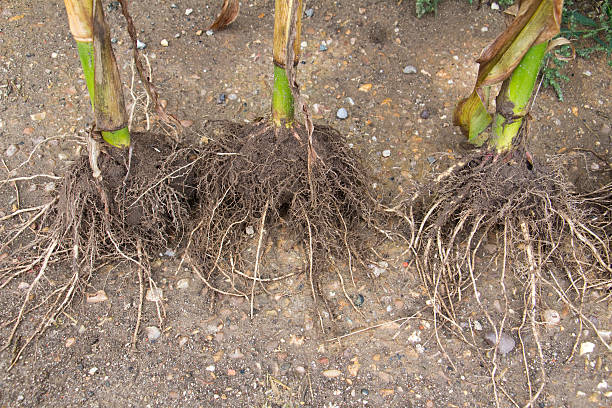
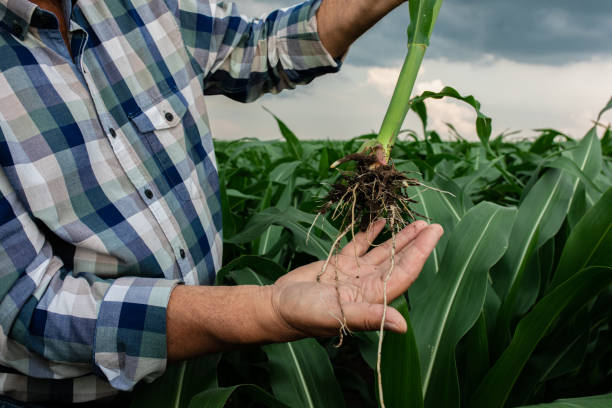
3. Poor root development
The Crown Root Initiation (CRI) stage is critical for wheat. If irrigation or nutrients are inadequate at this stage, root development is restricted, leading to poor nutrient and water uptake and hence slow growth throughout the season.
4. Temperature stress
Wheat growth is optimal between 15–25°C. Low temperatures reduce enzyme activity and metabolic rate, resulting in slow vegetative growth. Extremely high temperatures also disrupt physiological processes.
5. Soil-related constraints
Soil compaction, salinity, or low organic matter restrict root penetration and microbial activity, leading to reduced nutrient availability and slow crop growth.
6. Biotic stresses
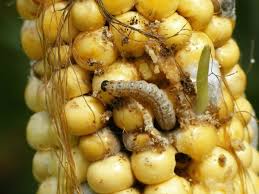
Weeds compete for nutrients, water, and light, while pests and diseases damage plant tissues, further reducing growth rate.

.jpg)






.jpeg)

.jpg)


.jpeg)